
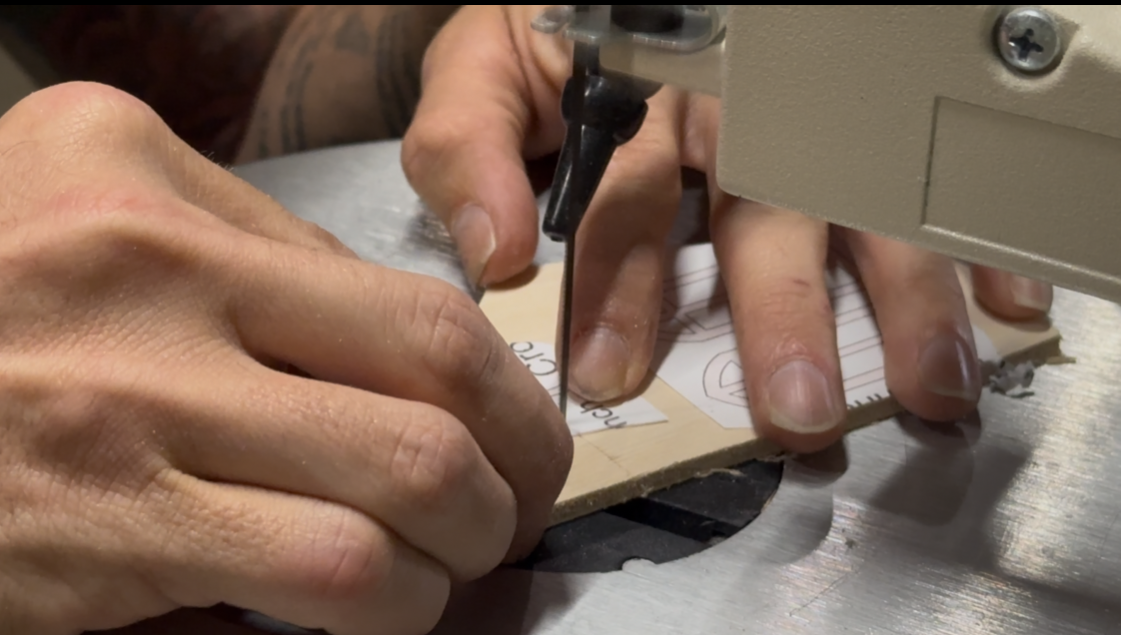
Welcome to the world of scroll sawing! If you've ever admired intricate wooden ornaments, beautiful wall art, personalized signs, or detailed puzzles and wondered how they were made, you're in the right place. Scroll sawing is one of the most rewarding woodworking hobbies because it allows anyone—from complete beginners to master craftsmen—to create amazing projects with relatively simple tools.
What Is a Scroll Saw?
Scroll sawing is a woodworking technique that uses a specialized saw to cut intricate patterns and designs into wood. Unlike larger saws designed for straight cuts, a scroll saw's thin blade can turn sharply, letting you create curves, letters, shapes, and detailed artwork.
"The secret to scroll sawing isn't speed. It's learning to let the blade do the work."
Why Scroll Sawing Is Perfect for Beginners
Many woodworkers compare scroll sawing to drawing with wood — instead of a pencil, you're guiding a blade through the material to trace your design. One reason the craft has stayed popular for generations is its accessibility:
- Requires relatively little workshop space
- Uses affordable materials
- Produces less noise than many woodworking tools
- Creates minimal dust compared to larger machines
- Safe when used properly, and suitable for all ages with supervision
- Offers endless creative possibilities
Whether your goal is making Christmas ornaments, custom signs, puzzles, toys, or heirloom-quality artwork, a scroll saw can help you get there.
Buy quality blades before buying expensive wood. Fresh blades make a bigger difference than most beginners realize.
Choosing Your First Scroll Saw
Not all scroll saws are created equal. While it may be tempting to buy the cheapest model available, a smoother-running saw often makes learning much easier. Look for these key features:
- Variable Speed Control Different woods and materials cut better at different speeds.
- Easy Blade Changes You'll change blades frequently, especially on detailed projects.
- Adjustable Table Allows angled cuts and bevel work as your skills improve.
- Low Vibration Less vibration means better control and more accurate cuts.
For most beginners, a quality entry-level saw is more than enough to create impressive projects.
Essential Tools & Materials
To get started with scroll sawing, you'll need a few basic tools and materials. Here's a quick list to help you set up your workshop:
- Scroll Saw: Choose a beginner-friendly model with the features mentioned above.
- Blades: Start with a variety pack of blades to experiment with different cuts.
- Wood: Softwoods like pine or basswood are great for beginners.
- Safety Gear: Always wear safety glasses and consider a dust mask when cutting.
- Work Surface: A sturdy table or workbench to support your saw and projects.
Getting Started: Your First Project
A great first project is a simple wooden ornament. You can find free patterns on this site or create your own design. Start with a basic shape, like a heart or star, and practice cutting along the lines. Remember to take your time and let the blade do the work. Avoid highly detailed portraits or fretwork until you've developed confidence with basic cuts. Start simple. Good beginner projects include:
- Christmas ornaments
- Name plaques
- Coasters
- Basic animal silhouettes
- Simple puzzles
Learn to follow the line. One of the biggest beginner is focusing on the Blade. Instead, look ahead. Watch where the blade is going, not where it is. This will help you make smoother cuts, as you gain experience, you can gradually move on to more complex patterns and techniques. But in the beginning, Move Slow let the blade do the work.Turn Gradually Sharp turns are one of the most difficult cuts for beginners. To make them easier, slow down and take the turn in a series of small steps instead of trying to cut it all at once. Practice Curves, curved cuts are the foundation of most scroll saw projects. Spend time practicing different types of curves, from gentle arcs to tight circles. This will build your confidence and control with the saw.
Understanding Scroll Saw Blades
The blade is arguably the most important of your setup. Skip-Tooth Blades, great for beginners because they remove sawdust efficiently and cut smoothly. Reverse-Tooth Blades, help reduce tear-out on the bottom side of your project. Sprial Blades,cut in any direction but are grnerally more challenging for beginners. Many new scrollers struggel at first simply becuase they're using the wrong blade. If the cuts seen rough or difficult, try a different blade before blaming yourself.
Safty First
While scroll sawing is generally safe, it's important to follow basic safety guidelines to prevent accidents. Always wear safety glasses to protect your eyes from flying debris, and consider using a dust mask if you're cutting materials that produce a lot of dust in non-ventilated areas. Keep your fingers away from the blades path. Use good lighting to see your work clearly. Maintain proper balde tension and replace dull blades promptly. Always disconnect the saw from power when changing blades. Never force the wood through the blade; let it cut at its own pace. A safe workshop is a productive workshop.